


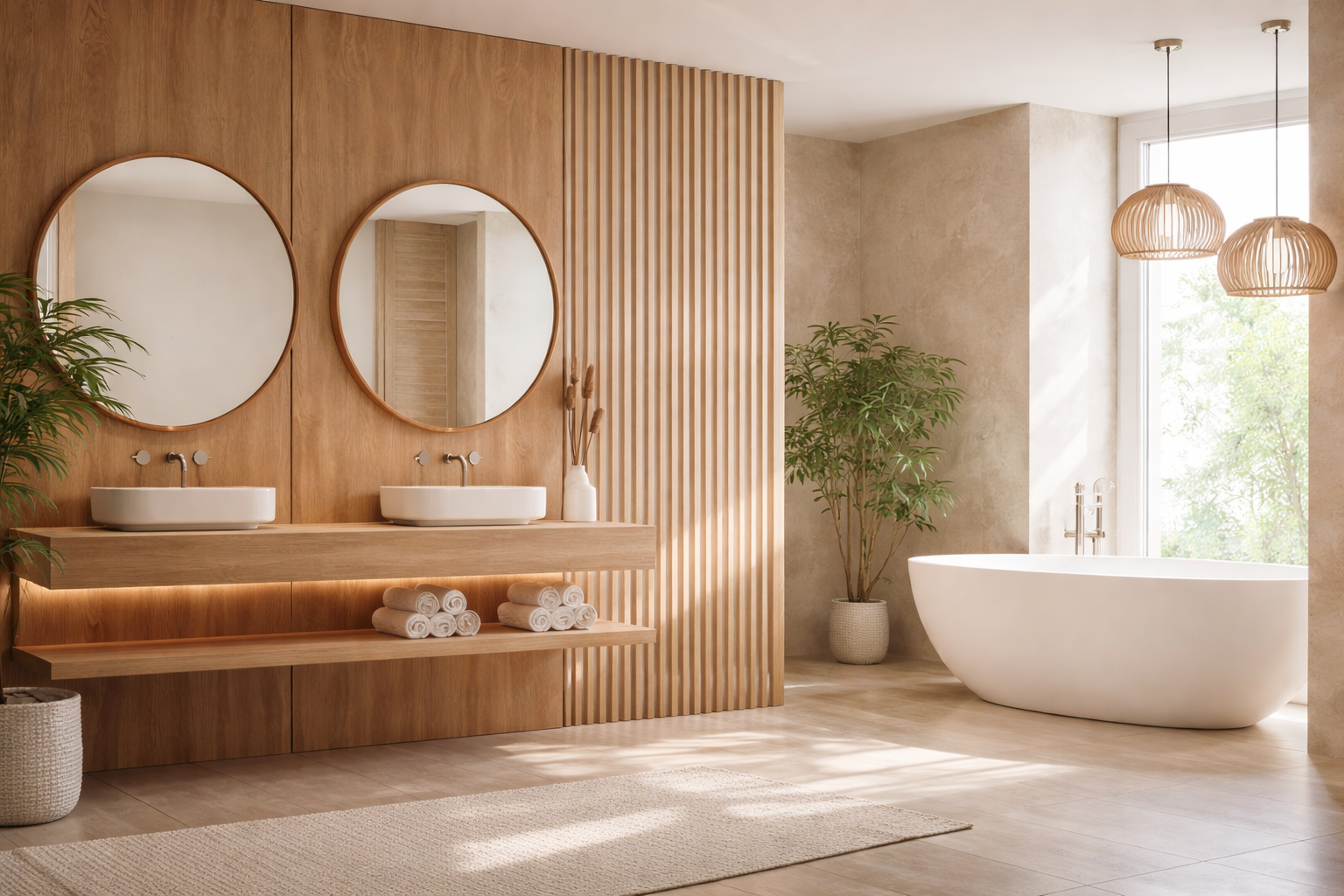
For most people, home is more than a place. It is where life has unfolded, where routines feel natural, and where independence is deeply connected to identity. That is why the idea of aging in place, continuing to live safely and comfortably in your own home as you grow older, matters so much.
One of the most important rooms in that journey is the bathroom.
It is a space used many times every day, yet it places high demands on balance, strength, and coordination. Smooth surfaces, limited space, and repeated sit to stand movements make the bathroom one of the most physically challenging rooms in the home. Thoughtful modifications can dramatically reduce risk, support independence, and preserve dignity, without turning the home into something that feels clinical.
Small changes often create the greatest impact. Safer flooring, secure bath mats, and discreet support points near the toilet and shower help the body move with more confidence. When stability is quietly built into the environment, people move more naturally, without hesitation or fear. These elements work best when they feel like part of the architecture rather than visible aids.
Light also plays a crucial role. As vision changes over time, bathrooms can quickly become spaces filled with shadows and uncertainty. Improved lighting around key areas such as the toilet, sink, and shower supports orientation and depth perception. Soft night lighting can further increase safety without disturbing rest. Good visibility does more than prevent accidents. It restores calm.