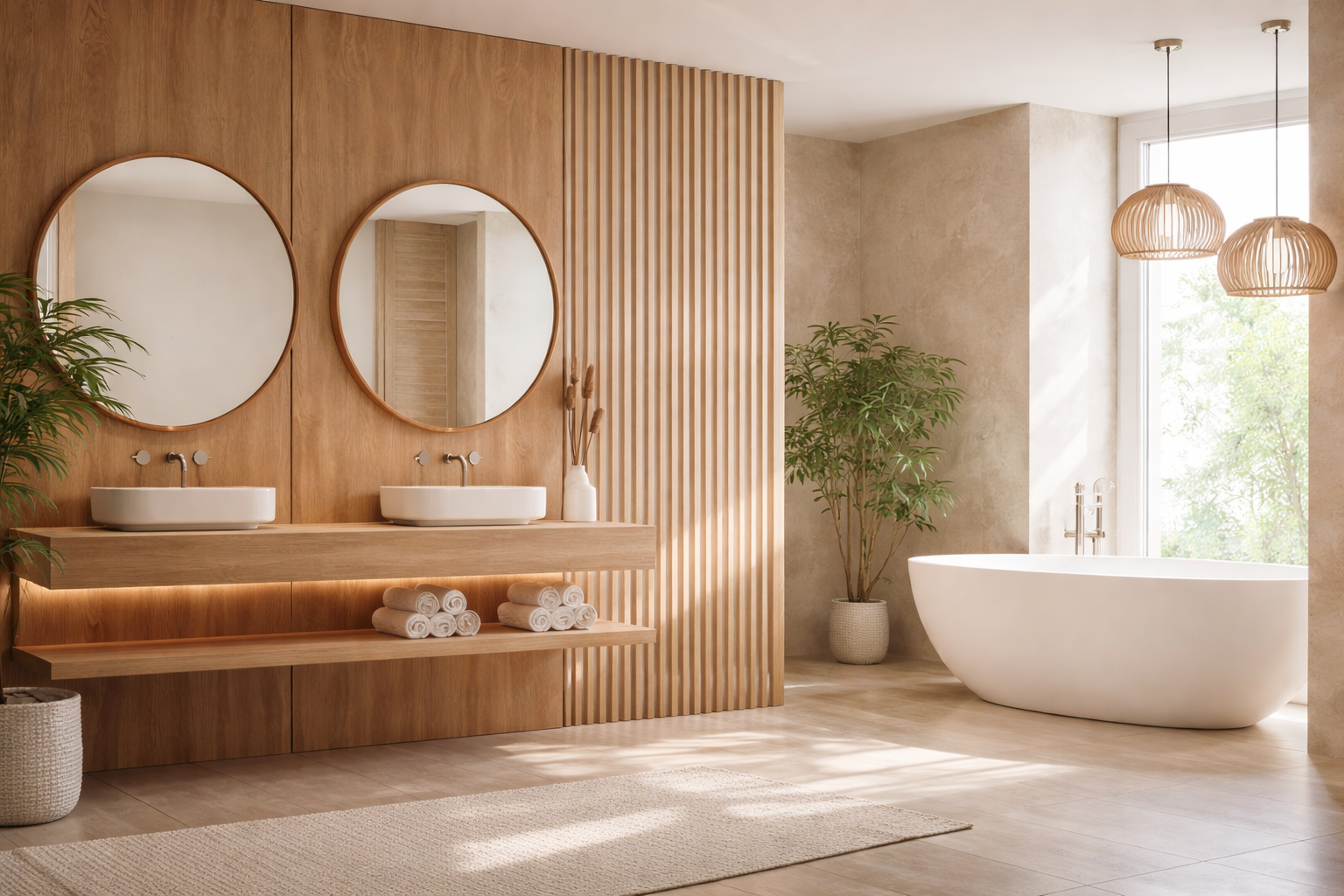
”Bathroom Modifications that Support Aging in Place

Vital Fjord

For most people, home is more than a place. It is where life has unfolded, where routines feel natural, and where independence is deeply connected to identity. That is why the idea of aging in place, continuing to live safely and comfortably in your own home as you grow older, matters so much.

One of the most important rooms in that journey is the bathroom.

It is a space used many times every day, yet it places high demands on balance, strength, and coordination. Smooth surfaces, limited space, and repeated sit to stand movements make the bathroom one of the most physically challenging rooms in the home. Thoughtful modifications can dramatically reduce risk, support independence, and preserve dignity, without turning the home into something that feels clinical.

Small changes often create the greatest impact. Safer flooring, secure bath mats, and discreet support points near the toilet and shower help the body move with more confidence. When stability is quietly built into the environment, people move more naturally, without hesitation or fear. These elements work best when they feel like part of the architecture rather than visible aids.

Light also plays a crucial role. As vision changes over time, bathrooms can quickly become spaces filled with shadows and uncertainty. Improved lighting around key areas such as the toilet, sink, and shower supports orientation and depth perception. Soft night lighting can further increase safety without disturbing rest. Good visibility does more than prevent accidents. It restores calm.

”Aging in place is not about resisting change. It is about shaping it with care.

Bathing is another daily situation where the body is placed under high physical demand. Walk in showers, level floors, supportive seating, and well regulated water temperature reduce strain and help maintain balance. These adjustments often improve comfort long before serious limitations appear, allowing people to conserve energy and move at their own pace.

For many, the most demanding movement in the bathroom is the transition on and off the toilet. This motion depends on leg strength, joint stability, and balance. When these capacities change, people often begin to rush, avoid, or rely on others. The environment can either increase this vulnerability or actively support it. Solutions that assist the natural vertical sit to stand movement, while keeping the feet grounded and the body stable, can significantly reduce strain and restore confidence. When technology, design, and ergonomics are thoughtfully combined, assistance becomes almost invisible.

Space and layout are equally important. Clear floor areas, reachable storage, and door solutions that allow easier access make the bathroom more usable not only for aging individuals, but also for people recovering from surgery, living with temporary injuries, or supporting a loved one. Accessibility, when done well, improves the experience for everyone.

The most meaningful modifications are always personal. No two bodies, homes, or routines are the same. Occupational therapists and mobility specialists can help identify risk areas and movement patterns, ensuring that changes are made where they truly matter. The goal is never to fill a bathroom with equipment, but to shape an environment that supports how a person already lives.

Aging in place is not about resisting change. It is about shaping it with care.

When bathrooms are designed to support balance, hygiene, and independence, they do more than prevent accidents. They protect privacy. They preserve confidence. They reduce dependence on others. And they allow people to continue living life on their own terms.

At Vital Fjord, we believe supportive environments should feel calm, natural, and respectful. Because independence does not disappear with age. It is supported.