”Old is the New Young: Why Older Adults Are Redefining What It Means to Age

Vital Fjord

In a world obsessed with youth, older adults are proving that age is just a number — and that the idea of “old” being synonymous with “outdated” is increasingly out of touch with reality. Today’s older adults are living longer, staying active, embracing technology and making deliberate choices about how they want to live. Rather than quietly accepting traditional expectations of later life, they are helping to redefine them.

For generations, aging was often portrayed as a gradual retreat from everyday life. Retirement meant slowing down, products for older people focused primarily on limitations, and conversations about aging tended to center on what people could no longer do. That picture is changing. Later life is increasingly viewed as another stage of life — one that can include travel, new experiences, new interests, work, relationships, learning and personal ambitions.

Perhaps the biggest misconception is that growing older somehow changes who we are. People who have spent their lives appreciating good design, travelling, adopting new technology, staying active and making their own decisions do not suddenly abandon those expectations when they reach a certain age. Their needs may change, but their personality, preferences and desire for independence remain.

Technology is a good example. The stereotype of older generations struggling with or avoiding technology is rapidly becoming outdated. Smartphones, video calls, online banking, streaming services, social media, digital health platforms and smart-home technology are now part of everyday life for millions of older adults. Technology is increasingly being used not because it is designed specifically for older people, but because it makes life easier, more connected and more convenient.

That distinction is important. Older adults do not necessarily want “senior technology.” They want good technology. They want solutions that are intuitive, useful and well designed — products that support them without constantly reminding them of their age. This is gradually changing the way companies think about innovation for an aging population. The opportunity is not simply to make products easier for older people to use, but to create products people genuinely want to have in their lives.

The same shift can be seen in the growing focus on independence. For many older adults, one of the most important priorities is the ability to continue living life on their own terms. Often that means staying in their own home for as long as possible, but ageing in place is about much more than remaining at the same address. It is about maintaining control over everyday life — being able to cook, shower, use the bathroom, move around the home, visit friends, travel, exercise and participate in the community without unnecessary dependence on others.

This is also creating a new conversation around accessible design. Traditionally, many accessibility and assistive products have looked institutional or clinical. Functionality was the priority, while aesthetics were often treated as secondary. But expectations are changing. Why should someone stop caring about the appearance of their home simply because their physical needs change? Why should a product that provides assistance automatically look like a medical device?

”Good design can support independence quietly and naturally, becoming part of everyday life rather than a visible symbol of aging or reduced ability.

The future of accessible design is therefore likely to be much closer to mainstream consumer design. Products can provide meaningful assistance while still being attractive, discreet and intuitive. Homes can become safer and more accessible without looking like care facilities. Good design can support independence quietly and naturally, becoming part of everyday life rather than a visible symbol of aging or reduced ability.

At the same time, older adults are staying physically and mentally active for longer. Walking, cycling, swimming, yoga, golf, travel, volunteering and continued employment are all part of modern later life. There is also greater awareness of the importance of strength, mobility, balance, nutrition, sleep and mental wellbeing as we age. The ambition is increasingly not simply to live longer, but to live well for longer.

This focus on healthy longevity is influencing the choices people make. Instead of waiting until assistance becomes absolutely necessary, more people are thinking about how they can maintain their mobility, independence and quality of life. The question is gradually shifting from “What do I need because I am old?” to “What can help me continue living the life I want?”

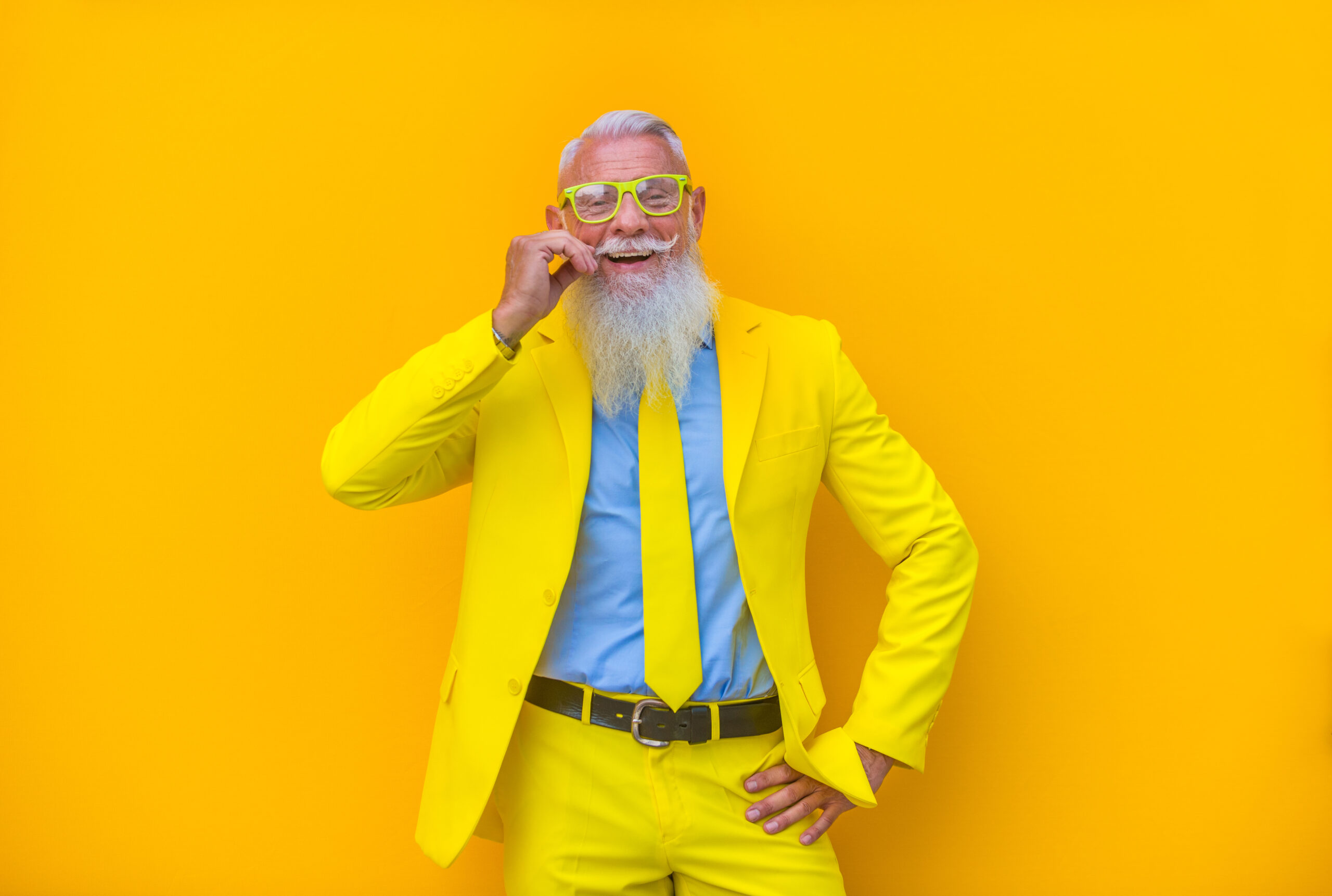
Style and identity are part of the same transformation. Personal taste does not disappear at 60, 70 or 80. People who have spent decades developing preferences in fashion, interiors, cars, technology, travel and design continue to care about those things. Older consumers increasingly expect products and brands to reflect who they are rather than simply categorising them according to age.

Brands are beginning to understand this. The answer is not to make everything appear younger; it is to stop assuming that older people want products that look old. Comfort, accessibility and functionality matter, but none of them have to come at the expense of style, quality or good design.

Retirement itself is also evolving. Rather than representing the end of an active professional life, it can be the beginning of something different. Some people continue working because they enjoy it, while others become consultants, start businesses, volunteer, mentor younger professionals, pursue creative interests or return to education. After decades of professional and personal experience, older adults possess something that cannot simply be downloaded or learned overnight: perspective.

That experience has real value. Today’s older adults have lived through enormous technological, economic and social change. They have built businesses, raised families, developed careers, travelled and adapted repeatedly to a changing world. Increasingly, that knowledge is being shared through mentoring, entrepreneurship, volunteering and community involvement, creating connections between generations rather than separating them.

Perhaps the most important change, however, is in the way society itself thinks about age. Age should not automatically determine what someone is capable of doing, learning, buying, enjoying or contributing. Yet ageism still exists in workplaces, advertising, product development and everyday language. Older adults are too often portrayed either as frail and dependent or as somehow extraordinary simply because they remain active.

Neither picture accurately reflects modern aging. There is no single way to be 65, 75 or 85. Older adults represent an enormously diverse group of people with different ambitions, abilities, financial situations, interests and needs. Recognising that diversity will become increasingly important for businesses and societies as populations around the world continue to age.

Ultimately, the conversation should perhaps become less about age and more about choice. How do people want to live? How can they remain independent? How can homes, communities, technology and products support them without unnecessarily taking control away? And how can we create solutions that people genuinely want to use rather than simply accept because they have reached a certain age?

These questions represent an enormous opportunity for innovation. The companies that understand the changing expectations of older adults will not simply create products “for seniors.” They will create better products for people — solutions that recognise changing physical needs while respecting individuality, dignity, independence and style.

Growing older does not mean becoming a different person. Needs and circumstances may evolve, but the desire to experience life, make independent choices and enjoy the things that matter does not disappear.

Older adults are already showing that later life can be active, connected, ambitious, stylish and independent. Perhaps it is time we stopped defining aging by what people may lose — and started designing for everything they still want to do.